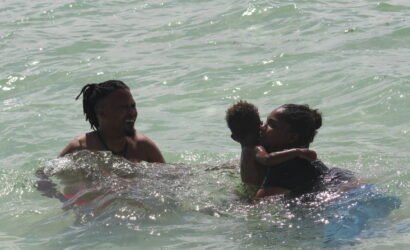
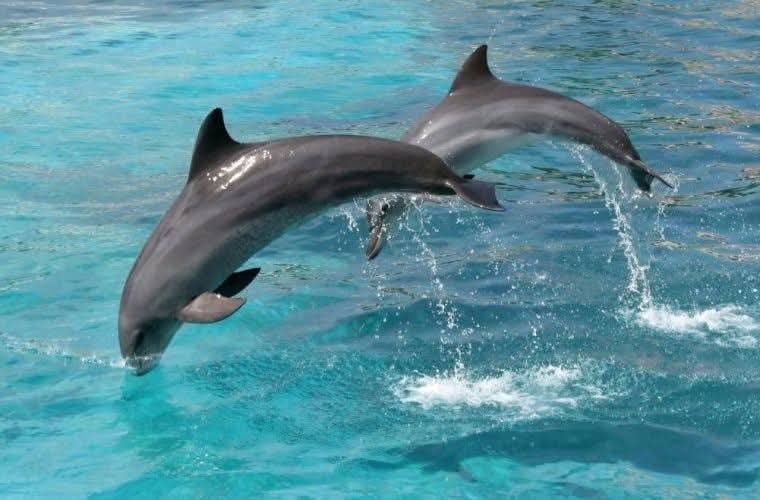
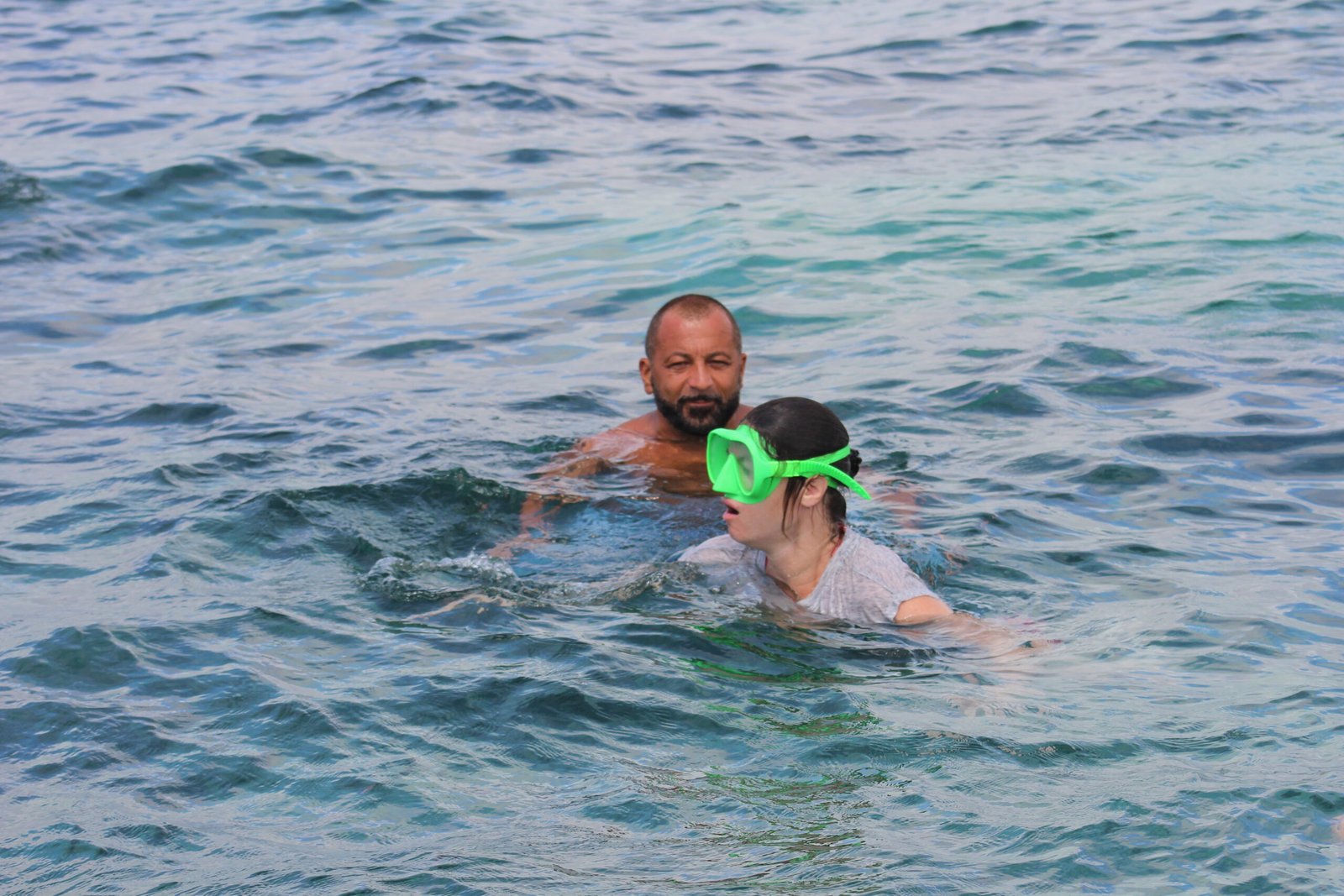
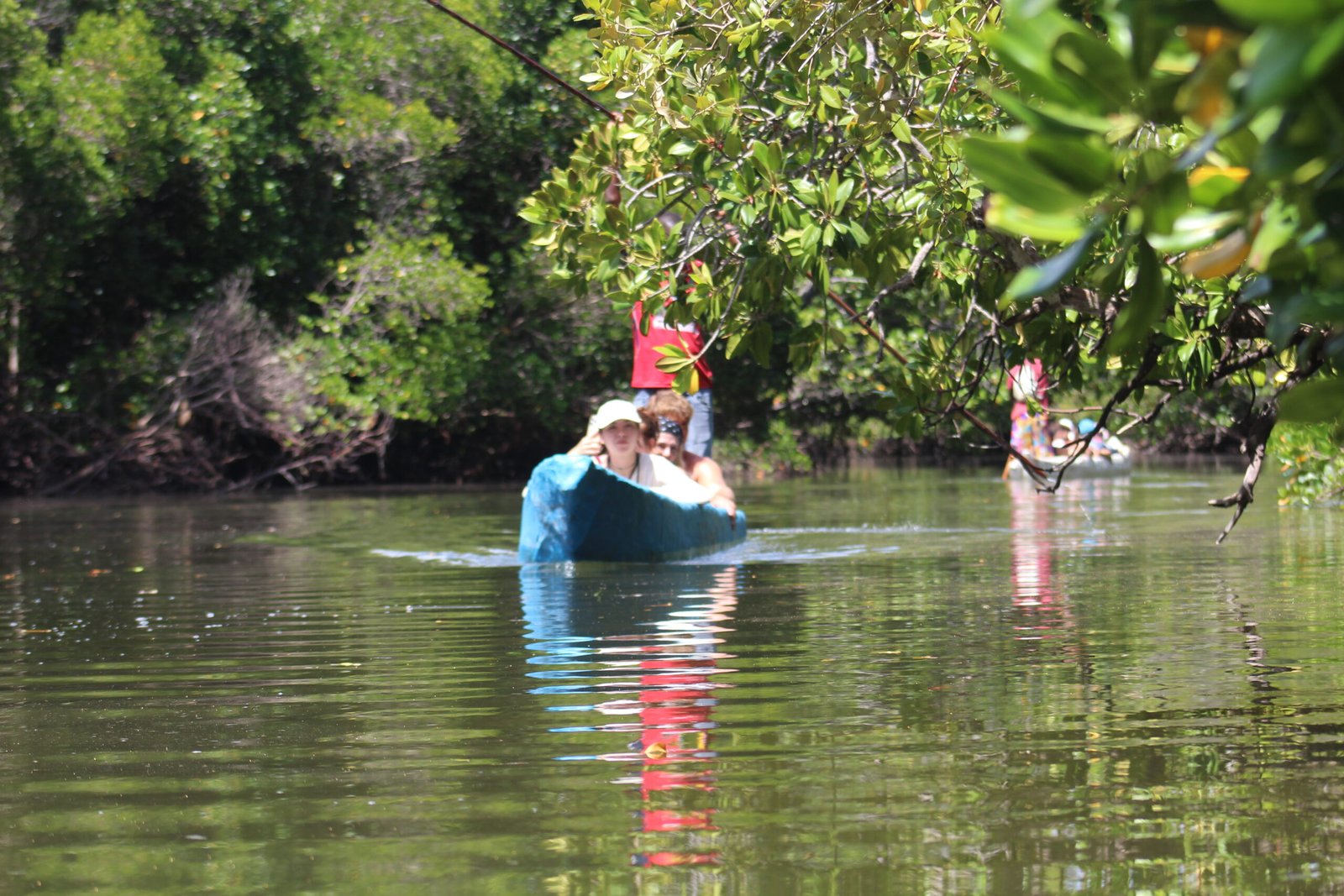
Watamu’s coastline is where the Indian Ocean shows off—turquoise water so clear it seems lit from within, coral gardens teeming with colour, and dolphins that ride the bow waves of boats heading out to the marine park. The adventure begins here, in Africa’s first UNESCO Man and Biosphere Reserve, snorkelling above brain corals and fan corals while six hundred species of reef fish dart through the currents. A seafood lunch on Sudi Island, grilled lobster and coconut rice, is followed by an afternoon in the mangroves of Mida Creek, where dugout canoes glide through channels cut into the forest and kingfishers flash between the roots. As the day ends, rescued sea turtles are fed and cared for at the Watamu Turtle Watch centre, and if the season is right, hatchlings scramble toward the surf.
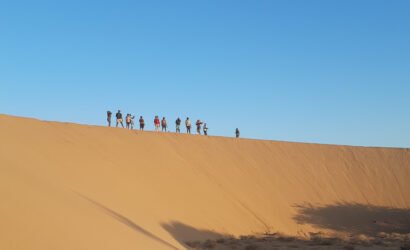
The journey turns north to Malindi, where history and landscape collide. The Vasco da Gama Pillar has stood since 1498, a lonely sentinel of Portugal’s brief empire on this coast, and its ticket opens the doors to the Malindi Museum and the Portuguese Chapel. At the Sabaki River estuary, hippos surface in the brackish water while villagers go about their daily lives on the banks. Then comes Mambrui, where sand dunes roll toward the ocean like waves frozen in time. Known locally as “Dubai Ndogo,” these dunes stretch for kilometres, their ridges sculpted by monsoon winds. A quad bike ride across the sand is the best way to feel their scale, with the Indian Ocean glinting on the horizon and the desert pressing against the sea.
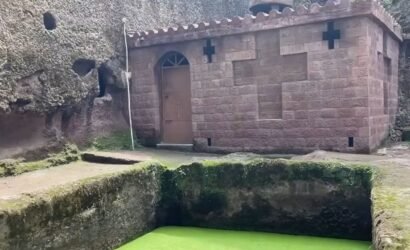
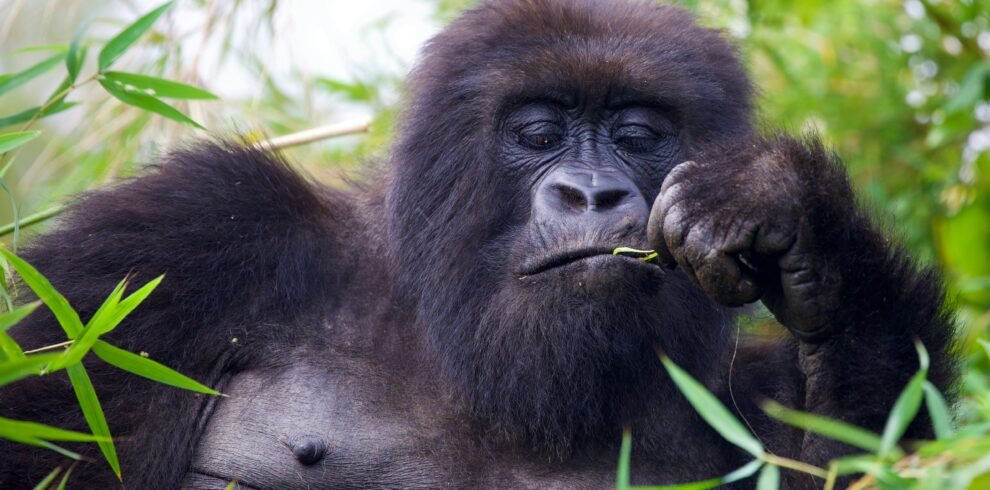
The final day belongs to the past. Gede is a lost Swahili city, abandoned in the seventeenth century and swallowed by forest until archaeologists uncovered its coral stone walls, mosques, and palaces. A UNESCO World Heritage Site since 2024, it whispers of a time when this coast traded with Arabia, Persia, India, and China. From there, the road leads into Arabuko Sokoke Forest, the largest remnant of coastal dry forest in East Africa, where the Sokoke scops owl, Clarke’s weaver, and golden-rumped elephant shrew survive in isolation found nowhere else on Earth. The journey ends back in Watamu, carrying the memory of reefs and ruins, dunes and dhows, and the slow rhythm of the Swahili coast.
Safari Overview
Kenya’s Watamu–Malindi coast packs an extraordinary range of experiences into a short stretch of shoreline—coral reefs that teem with six hundred species of fish, a lost medieval city swallowed by forest, hippos surfacing in a river estuary, and sand dunes that roll toward the ocean like waves frozen in time. This four-day adventure begins in Watamu Marine National Park, Africa’s first UNESCO Man and Biosphere Reserve, with dolphin spotting, snorkelling above vibrant coral gardens, a seafood lunch on Sudi Island, and an afternoon paddling through the mangroves of Mida Creek. The journey continues to Malindi for the historic Vasco da Gama Pillar, hippo viewing at the Sabaki River estuary, and the rolling sand dunes of Mambrui, before ending with the medieval Swahili ruins of Gede and the endemic wildlife of Arabuko Sokoke Forest. It is a journey through reefs, ruins, and desert-meets-sea landscapes on Kenya’s timeless Swahili coast.
Highlights
- Watamu Marine National Park, Africa's first UNESCO Man and Biosphere Reserve, with dolphin spotting and snorkelling above vibrant coral gardens
- A seafood lunch on Sudi Island, with freshly grilled lobster, fish, and coconut rice
- Paddling through the mangroves of Mida Creek by traditional dugout canoe, with kingfishers, herons, and fish eagles
- The Vasco da Gama Pillar in Malindi, one of Africa's oldest European monuments, with entry including the Malindi Museum and Portuguese Chapel
- Hippo viewing at the Sabaki River estuary, with cultural interaction with local villagers along the riverbanks
- Quad biking across the Mambrui Sand Dunes, known locally as "Dubai Ndogo," where wind-sculpted ridges stretch toward the Indian Ocean
- The Gede Ruins, a UNESCO World Heritage Site, and the endemic wildlife of Arabuko Sokoke Forest, including the Sokoke scops owl and golden-rumped elephant shrew