Planning a safari in Kenya? From the crowded plains of the Maasai Mara to the quiet exclusivity of a private conservancy, the choice you make will shape your entire trip. Here’s how to pick the right destination for the experience you’re after.
Kenya is spoiled for choice when it comes to safari destinations. But that abundance can be paralysing. With dozens of national parks, reserves, and private conservancies spread across the country, how do you decide where to go?
The answer comes down to balancing three things: the kind of experience you want (classic and busy vs. exclusive and flexible), the wildlife you’re hoping to see, and your budget for park fees.
Let’s break it down.
National Parks vs. Private Conservancies: The Core Choice
This is the most important decision you’ll make, and it fundamentally changes what your safari looks like.
National Parks & Reserves
These are the classic, iconic safari destinations — large, state or county-managed areas with well-developed infrastructure. Think the Maasai Mara, Amboseli, and Lake Nakuru.
The trade-off? They can get very crowded, especially in peak season, with many vehicles converging on a single sighting.
What you can do: Game drives are the primary activity. Off-road driving and night drives are generally not permitted.
Best for: First-time visitors who want to see the famous landscapes and don’t mind sharing the experience.
Private Conservancies
These are private or community-owned lands adjacent to the main parks. They strictly limit the number of beds and vehicles, so you often have sightings entirely to yourself.
The upside? A much wider range of activities is usually allowed — including night game drives, guided walking safaris, bush meals, and horseback riding.
Best for: Travellers seeking a more intimate, crowd-free experience, photographers, and anyone who wants to do more than sit in a vehicle.
Examples: The Greater Mara Conservancies (like Mara North or Naboisho) or Lewa Wildlife Conservancy, a UNESCO site famous for rhinos.
Match Regions to Your Priorities
If you have specific wildlife or scenery in mind, here’s a quick guide to help you choose.
For the Great Migration & Big Cats
Head to the Maasai Mara ecosystem. The main reserve offers the classic spectacle, while the surrounding conservancies offer a more private alternative right next to the action.
For Elephants & Iconic Views
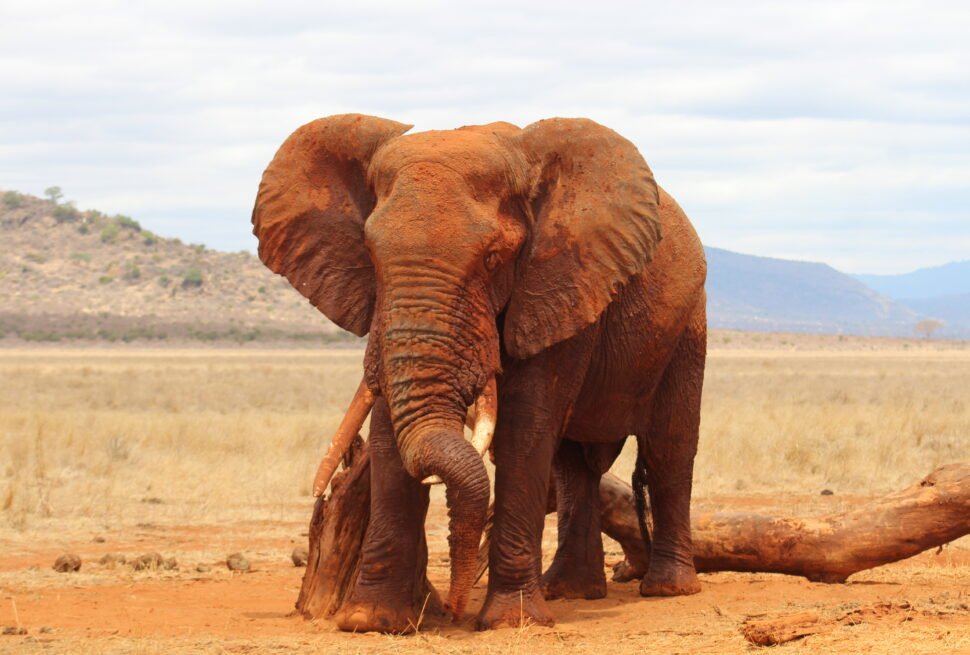
Amboseli National Park is the place for massive elephant herds against the backdrop of Mount Kilimanjaro. The dry season (June–October, January–February) offers the clearest mountain views.
For Rhinos & Conservation
Consider Ol Pejeta Conservancy or Lewa Wildlife Conservancy in the Laikipia region. These are leading conservation areas where you can see black and white rhinos, often on foot.
For the “Special Five” of the North
The Samburu–Buffalo Springs–Shaba ecosystem is the most reliable place to see all five dry-country endemics: Grevy’s zebra, reticulated giraffe, Beisa oryx, gerenuk, and Somali ostrich.
Buffalo Springs National Reserve is a core area for this, with natural springs that attract wildlife year-round.
Meru National Park, further east, is a lusher, greener park famous as the home of Elsa the lioness from Born Free. While the Special Five can be found in parts of Meru and the broader Laikipia region, it is not considered one of the primary, most reliable reserves for the full set in the way Samburu and Buffalo Springs are. The Samburu–Buffalo Springs cluster remains the strongest anchor for that specific wildlife list.
For the Baringo Giraffe (Rothschild’s Giraffe)
“Baringo giraffe” is another name for the endangered Rothschild’s giraffe, named after the Lake Baringo region.
Key places to see them include:
Ruko Community Wildlife Conservancy (Lake Baringo) — the most significant site, where the Rothschild’s giraffe was reintroduced. The population had grown to 28 individuals as of July 2024.
Lake Nakuru National Park — a well-known and accessible park that hosts the Rothschild’s giraffe.
Ruma National Park — a sanctuary in western Kenya near Lake Victoria.
Rimoi Wildlife Reserve — restocked by Kenya Wildlife Service, including with Rothschild’s giraffes.
If seeing the Baringo giraffe is a priority, Ruko Conservancy is the most direct match to the name, though Lake Nakuru is the easier and more commonly visited option on a standard safari circuit.
For a Quick Trip from Nairobi
Nairobi National Park is the only major park within a capital city, offering a chance to see rhinos, lions, and giraffes against a city skyline.
For Birding & Rift Valley Lakes
Lake Nakuru and Lake Naivasha are easily accessible and offer excellent birdwatching (including flamingos) and rhino sightings in a scenic setting.
Budget Considerations
Park fees in Kenya are significant and vary widely. Prices are generally higher for international visitors than for Kenyan citizens and residents.
Premium Parks: Amboseli and Lake Nakuru have higher fees for international visitors (around $100 per adult per day).
The Maasai Mara: This reserve has its own separate fee structure. During the high season (roughly July–October), fees for international adults can reach $200 per day. Note that the Mara charges by the calendar day (6 AM to 6 PM), so an afternoon entry and overnight stay counts as two days.
Private Conservancies: These often have a “conservation fee” that is separate from your accommodation cost. These fees typically range from $70 to $200 per person per night and go directly toward community lease payments and anti-poaching efforts.
A Final Tip
Many safari operators recommend combining a National Park with a Private Conservancy on a single trip. This gives you the best of both worlds: the iconic scenery and spectacle of a park, followed by the exclusivity, relaxation, and additional activities (like walking safaris) of a conservancy.
If you’re building an itinerary around the Special Five and the Baringo giraffe, the Samburu–Buffalo Springs loop plus a stop at Lake Baringo or Lake Nakuru would make a logical combination. And if you have time, add Meru National Park for its unmatched biodiversity and Born Free heritage — it pairs beautifully with Samburu for a northern Kenya circuit that combines the Special Five with Meru’s unique rhino sanctuary and Elsa’s legacy.
Ready to Start Planning?
Whether you’re dreaming of the Great Migration, tracking the Special Five across the arid north, or seeking out the endangered Rothschild’s giraffe, Kenya has a safari for you.
Get in touch with Hal Safari to start building your perfect Kenyan itinerary. We’ll help you match the right parks and conservancies to your wildlife wishlist and your budget — so you can focus on the adventure ahead.
Have a specific animal you’re most hoping to see? Or a rough budget in mind? Drop us a message and we’ll help you narrow down the best location for your trip.
Find answers to your questions before joining a tour so that you can find out exactly what you want to know. If you have more question please feel free to reach us via contact form.