When you picture the African savanna, you probably imagine a vast, open ocean of golden grass dotted by solitary acacia trees beneath an endless blue sky. It is a breathtaking landscape, but it didn’t just happen by accident. It was deliberately engineered.
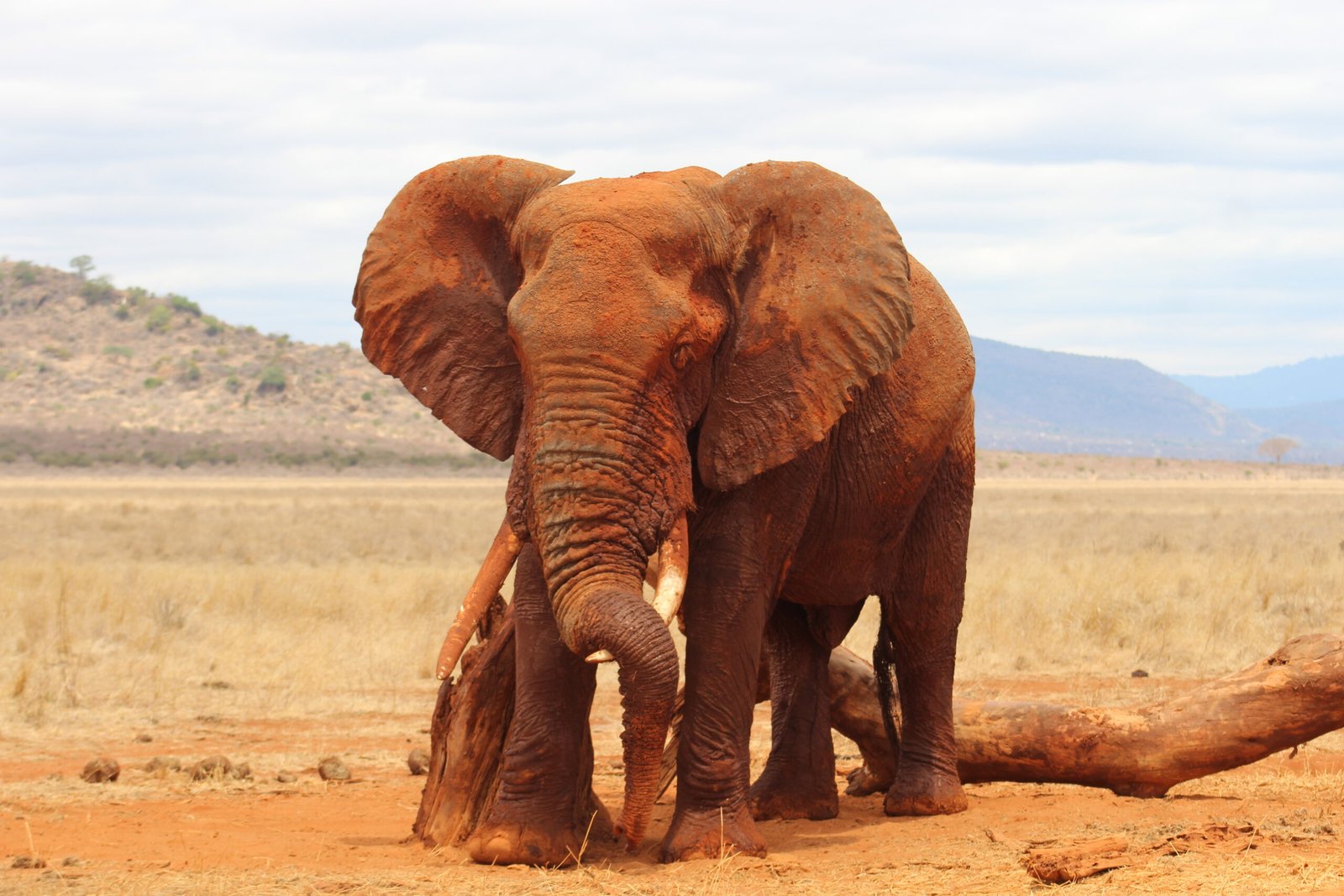
The primary architect behind this iconic wilderness is none other than the African elephant.
Far from just being gentle giants passing through the landscape, elephants are a classic example of a keystone species—an organism whose presence creates an entire web of life that thousands of other species depend on for survival. From digging hidden wells to controlling entire tree populations, here is how elephants shape, sustain, and revitalize the African ecosystem.
1. The Ultimate Wildfire and Forest Blockers
Left completely to nature, savanna grasslands face a constant threat: bush encroachment. Fast-growing woody shrubs and acacia saplings are eager to take over open spaces, threatening to choke out the grasses and transform the open plains into dense, impenetrable forests.
This is where elephants step in as natural lawnmowers and bulldozers.
With their immense size and strength, elephants routinely push over trees to reach top leaves, strip away bark, and smash thick thickets. By continually knocking back tree growth, they prevent forestation and maintain open grasslands. This process ensures that vast grazing areas remain intact for millions of migratory animals—like wildebeest, zebras, and antelopes—who would otherwise starve or fall victim to predators in dense cover.
[Dense Woody Shrubland]
       │
       ▼ (Elephants clear thickets & top trees)
[Open Savanna Grasslands] ──► Benefits: Wildebeest, Zebras, Antelopes
2. Lifesaving Water Diviners
During the grueling dry season, African rivers evaporate into cracked, baked mud. To the untrained eye, the landscape looks entirely devoid of water. But elephants possess an incredible memory and an acute sense of smell that allows them to detect water trapped deep underground.
Using their powerful feet, tusks, and trunks, elephants excavate deep holes into dry riverbeds to access cool, filtered water.
Once the elephants quench their thirst and move on, these newly dug wells remain open. They become literal lifelines for lions, leopards, giraffes, birds, and smaller creatures who lack the strength to dig for water themselves. Without this accidental community service, countless animals would perish during peak droughts.
3. Trailblazers of the Pasture
Navigating a dense African bush is no easy feat. As elephants travel across the landscape, their massive bodies act like natural bulldozers, carving out wide, trampled pathways through thick vegetation.
These “elephant highways” perform two critical functions:
- Creating Firebreaks: The cleared pathways act as natural barriers that can slow down or stop the spread of destructive seasonal wildfires.
- Opening Pasture Access: They create literal corridors that smaller, less imposing wildlife use to safely navigate the bush, discover hidden clearings, and find fresh pasture they otherwise couldn’t reach.
4. Nature’s Miracle Fertilizer
An adult elephant eats up to 300 pounds of vegetation every single day. Because their digestive systems are notoriously inefficient, they pass a massive amount of undigested seeds and fibers back out into the environment.
The result? Elephant dung is a goldmine for the savanna ecosystem:
- Insect Micro-Habitats: A fresh pile of dung is an immediate banquet and breeding ground for thousands of dung beetles, butterflies, and insects, which in turn feed insectivorous birds and reptiles.
- Soil Revitalization: As dung beetles bury the waste, they seamlessly plow nutrients like nitrogen and phosphorus deep back into the dry earth, revitalizing the soil for new plant growth.
- The Savanna’s Gardeners: Many savanna plants cannot sprout unless their seeds pass through an animal’s digestive tract first. Elephants deposit these pre-fertilized seeds miles away from the parent plant, effectively planting the next generation of savanna flora.
A Landscape in Balance
The African savanna is not a static backdrop; it is a dynamic, living masterpiece continuously being reshaped by its largest inhabitants. When elephants thrive, the grasses grow, the wells flow, the soil stays rich, and the entire circle of life remains unbroken.
To protect the African wilderness, we must first protect its greatest engineer.