Tsavo East National Park is not just one of Kenya’s largest protected areas. It is a story of recovery — of an elephant population that has clawed its way back from the brink and, remarkably, of the return of the legendary tuskers that were once thought lost to this landscape.
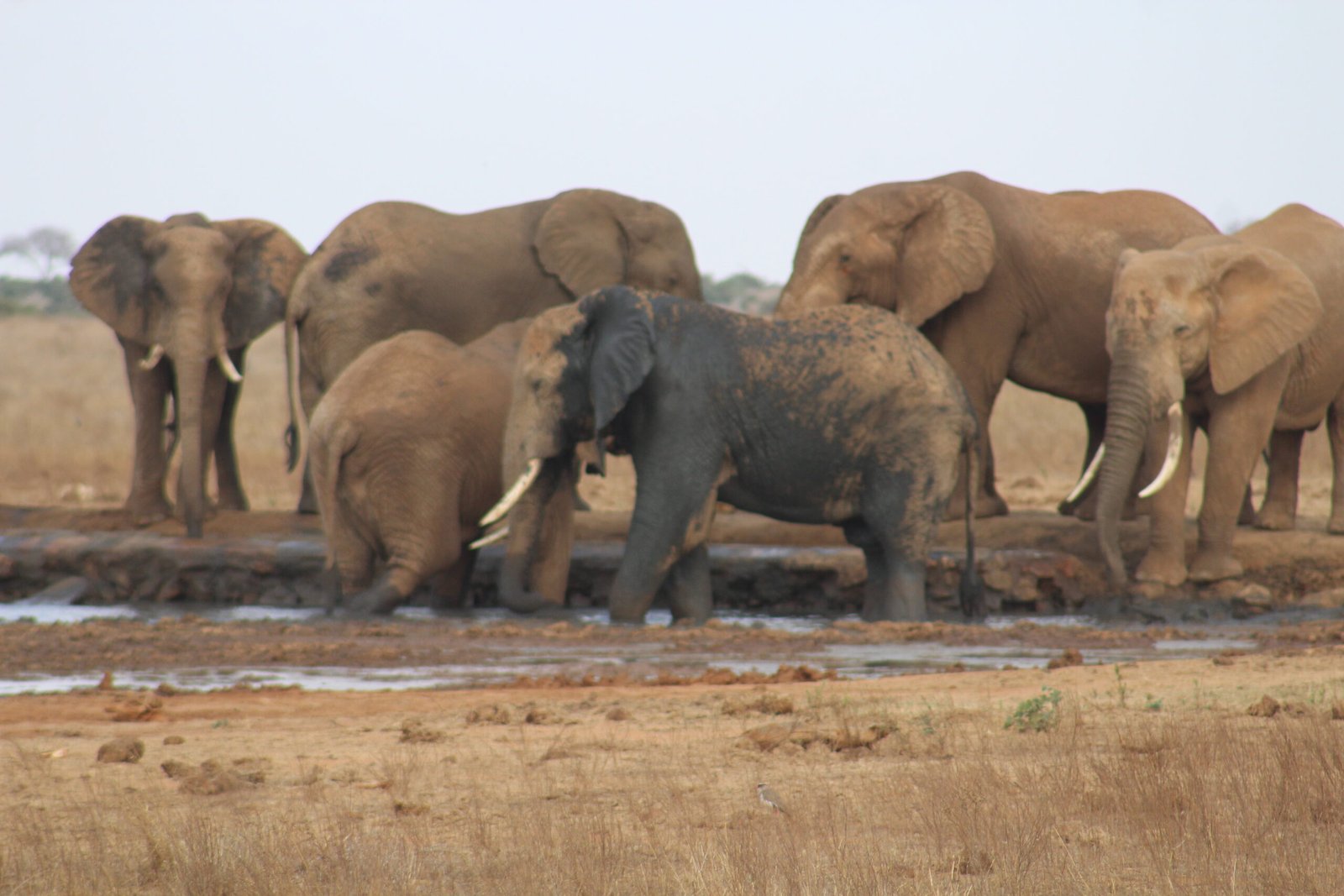
The numbers tell the story. Tsavo’s elephant population has grown steadily over the past three decades, from around 6,400 in 1988 to over 14,900 by 2021. Today, the Tsavo Conservation Area holds approximately 40% of Kenya’s entire elephant population. But the most remarkable statistic is not the total — it is what is happening with the tuskers.
The Return of the Giants
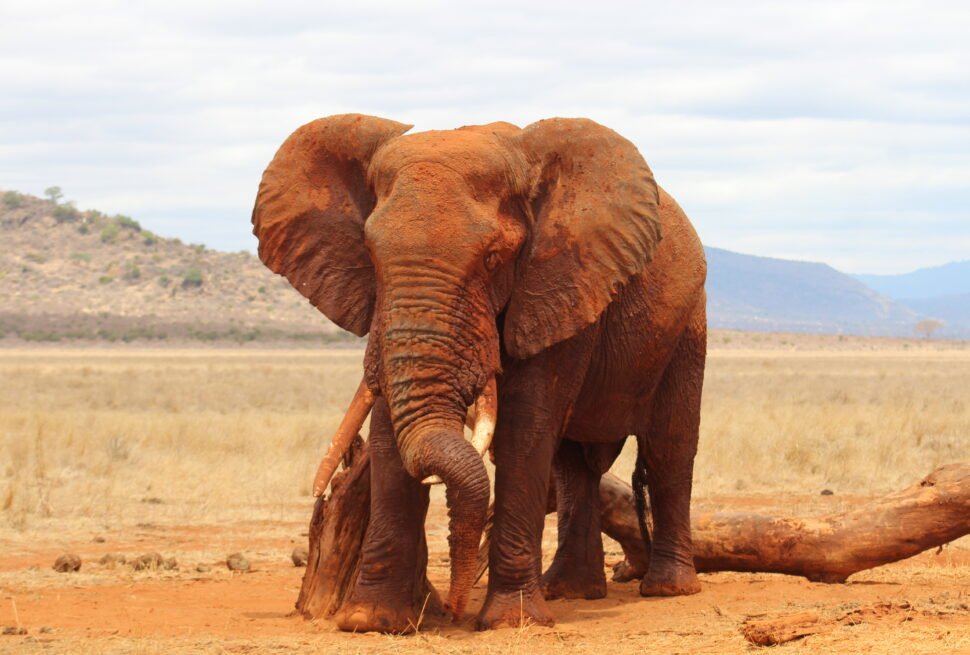
Tsavo is now home to the world’s last sustainable population of Super Tuskers — bull elephants whose tusks each weigh over 45 kilograms. These are the giants that have almost entirely disappeared from the rest of Africa. Fewer than 30 remain worldwide, and approximately 12 of them are monitored within Tsavo.
The recovery is striking. In 2013, Tsavo Trust recorded just 6 emerging tusker bulls — young elephants showing the genetic potential for extraordinary tusk growth. By 2026, that number had grown to 24 emerging bulls, alongside 10 Super Tuskers and 3 iconic cows (females with exceptionally large tusks). The emerging bulls are the most significant figure — they are living proof that the rare genetics for massive tusks are not just being preserved, but actively passing through generations.
This recovery did not happen by accident.
A Model of Partnership Conservation
Tsavo’s turnaround is built on an extraordinary collaboration between the Kenya Wildlife Service, the Tsavo Trust, the Sheldrick Wildlife Trust, and local communities. The scale of the operation is immense: over 9,400 flight hours and more than 1.1 million kilometres of aerial patrols since 2013, supporting ground teams and real-time intelligence.
The results are measurable. Elephant poaching in Tsavo has dropped by 98% since 2013. Not a single tusker has been lost to poaching for seven consecutive years. Detection of poachers’ camps fell from 51 in 2013 to just 3 in 2025.
But protection is only half the story. The other half is space.
Why Tsavo Still Has Tuskers
Super Tuskers are not a separate species. They are individuals expressing a rare genetic potential — and that potential requires two things: time and genetics.
Tusks grow continuously throughout an elephant’s life, accelerating after the age of 40 at rates of up to 7 centimetres per year. For a bull to develop tusks that scrape the ground, he must survive for decades. Across much of Africa, poaching cut those lives short, removing the largest-tusked individuals first and systematically eroding the genetic potential for future giants.
Tsavo escaped that fate. Its vast landscape — the Tsavo Conservation Area spans over 42,000 square kilometres — allowed elephants to move freely, access diverse resources, and survive long enough to reach exceptional size. Enough tuskers survived the poaching crises of the 1970s and 1980s to pass their genes forward. Today, that legacy is visibly rebounding.
The New Generation
In December 2025, the Tsavo Trust announced the addition of a new emerging tusker to its monitoring list: a bull named AR2. Conservationists describe him as “the definition of potential,” with ivory already showing remarkable thickness.
“With continued security and the vast space to roam, AR2 is on the path to becoming one of Tsavo’s next icons,” the Trust stated.
AR2 represents what the Tsavo recovery is all about: not just holding the line, but building the future. Each emerging tusker is a signal that the genetic foundation for future Super Tuskers remains intact — and that the conditions exist for them to thrive.
A Landscape of Giants
Tsavo East’s role in this recovery cannot be overstated. The park’s Tiva River area alone is home to at least 40% of Tsavo’s tuskers, and it was historically under-patrolled until recent ground teams were deployed. The park’s vast open plains, seasonal rivers, and diverse habitats provide the space and resources these giants need.
For visitors, Tsavo East offers something increasingly rare: the chance to see elephants that carry the genetic promise of true greatness. Not every bull will become a Super Tusker. But in Tsavo, that possibility still exists.
The Road Ahead
The recovery is not without challenges. Human-elephant conflict remains a persistent threat along Tsavo’s boundaries, with elephants raiding crops and communities facing losses. Aerial units respond to conflict cases, pushing elephants back into the park’s protection. The balance between conservation and coexistence is delicate and ongoing.
But the trend is unmistakable. Tsavo’s elephants are recovering. Its tuskers are returning. And the world is watching a conservation story that proves what is possible when protection, space, and partnership align.
For travellers seeking more than just a safari, Tsavo East offers a chance to witness one of Africa’s greatest conservation comebacks — and perhaps, if you are very lucky, to glimpse a giant whose tusks nearly touch the ground.
Contact Hal Safari to plan your visit to Tsavo East and experience this remarkable recovery firsthand.