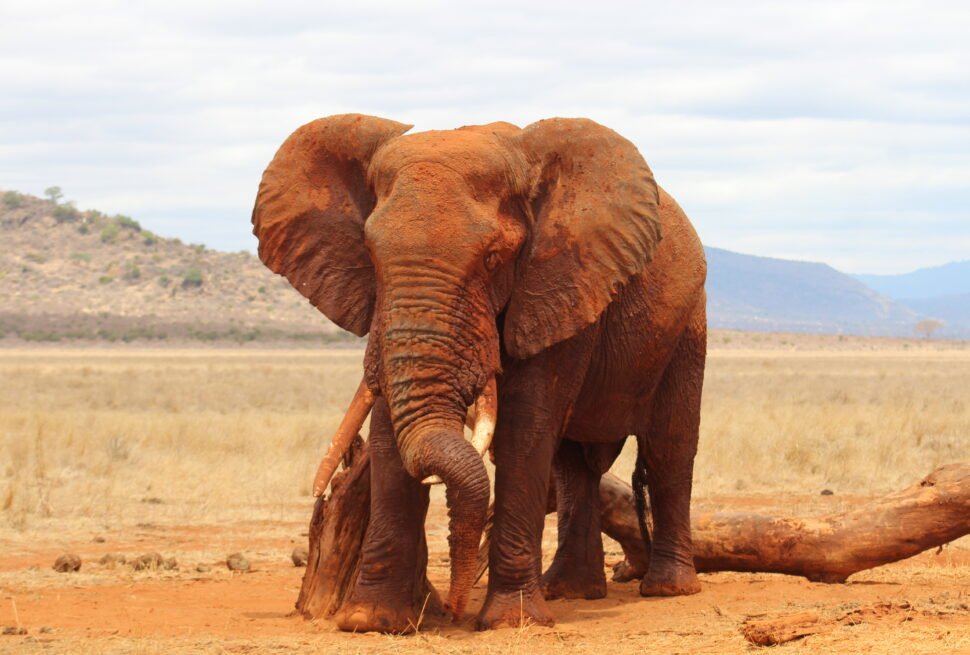
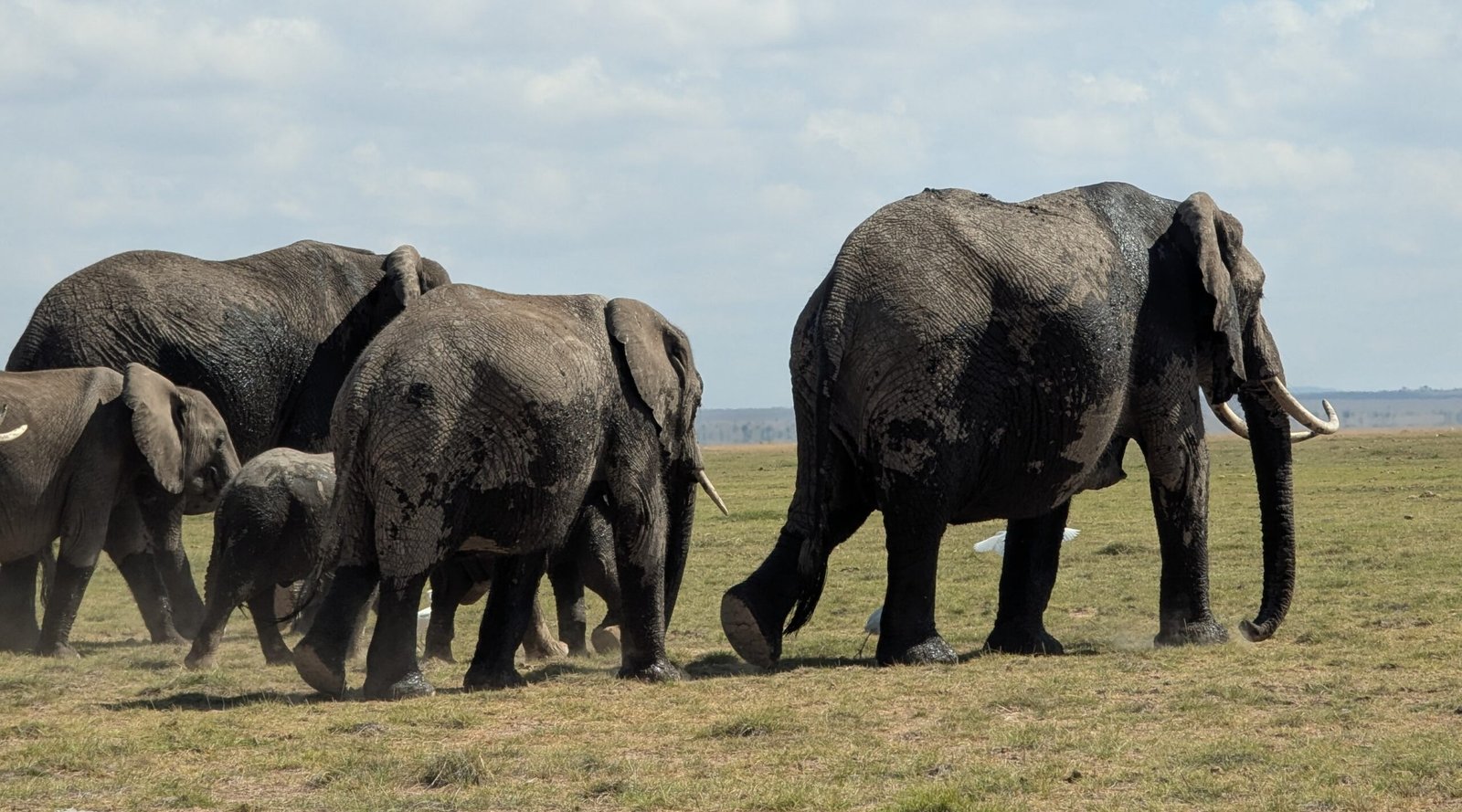
Amboseli National Park is not Kenya’s largest. At just 392 square kilometres, it is one of the smallest. But what it lacks in size, it makes up for in elephants.
Over 2,000 elephants live here, all individually known and monitored for more than five decades. They are relaxed around vehicles, often grazing within metres of safari jeeps.
What makes Amboseli unforgettable is not just the elephants. It is where they walk. Mount Kilimanjaro rises behind the plains, and on clear mornings the sight of a bull elephant framed against that snow-capped peak is one of Africa’s most iconic images. The dry seasons — June to October and January to February — offer the clearest views.
The Super Tuskers
Amboseli is one of the last places on Earth where you can see super tuskers — bull elephants whose tusks each weigh over 45 kilograms. These tusks are so long they almost scrape the ground.
Fewer than a handful remain in Africa.
The most famous was Craig, who died of natural causes in January 2026 at the age of 54. Born in 1972 to a matriarch named Cassandra, Craig survived the poaching crises of the 1970s and 1980s that wiped out so many of his kind. He was known for his calm demeanour, often pausing patiently as visitors photographed him.
In 2021, Craig became a brand ambassador for Kenya’s Tusker beer, bridging wildlife conservation and popular culture.
Before Craig, there was Tim, another legendary super tusker who died in 2020 at 51. Tim’s tusks weighed 160 and 134 pounds. His remains were preserved at the Nairobi National Museum, and a statue was erected in his honour.
Today, a few super tuskers remain in Amboseli, including bulls named Pascal and Esau. Pascal is described as so formidable that no one challenges him to a fight. Esau, at 35, is still taking risks — raiding crops and crossing into Tanzania, where trophy hunting is permitted.
A Story of Survival
Amboseli’s elephants have faced hard times. In 2022, the worst drought in four decades killed nearly 180 elephants. But when the rains returned, so did new life. In 2025, researchers recorded over 220 elephant births — a 12% population increase in a single year.
Planning Your Visit
Getting there: About 220 kilometres south of Nairobi, near the Tanzanian border.
Park fees (2026): Non-resident adults pay $90 per person per day.
Best time: Dry seasons for wildlife viewing and clear Kilimanjaro views.
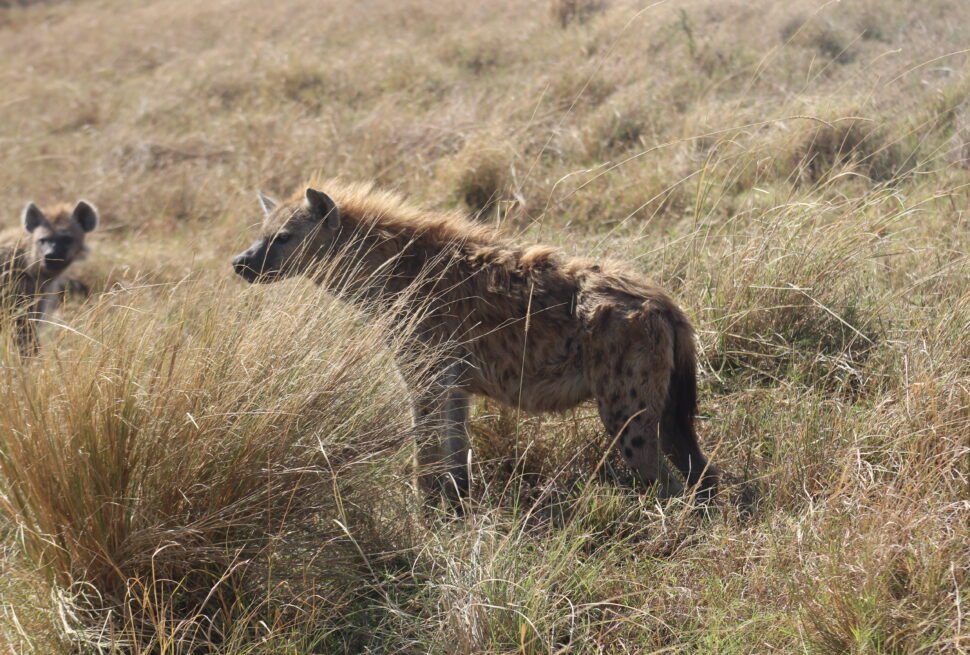
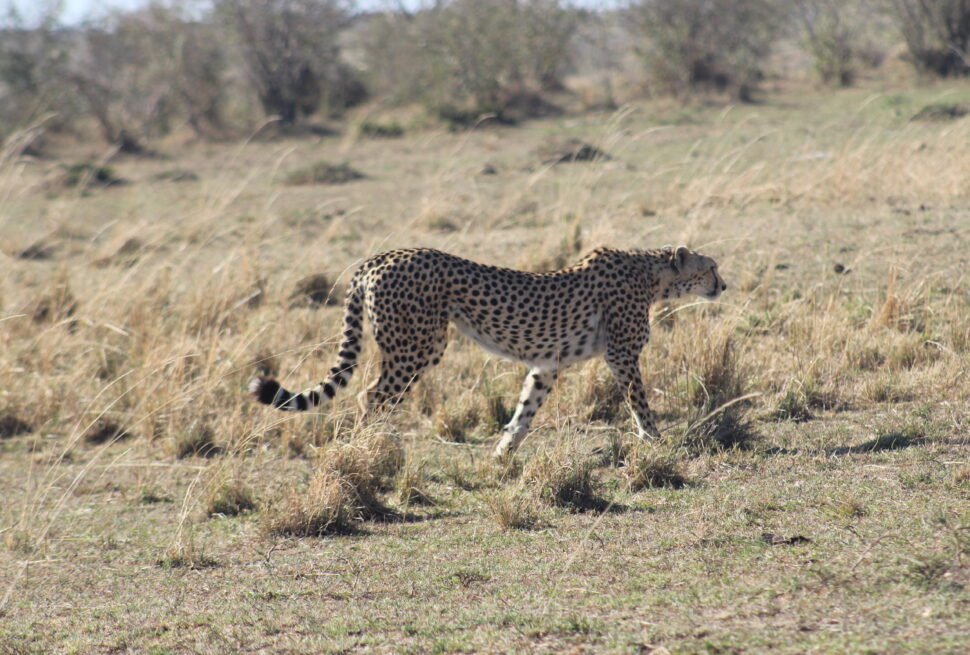
What to expect: Elephants, lions, cheetahs, buffalo, giraffes, zebras, and over 400 bird species. But the elephants are the stars.
Ready to see Amboseli’s elephants for yourself? Contact Hal Safari to start planning your Kenyan adventure.